Birds · The Far South
Birds of the Far South.
Endemics, specialties and seabirds, from the Puna to the southern oceans. Small groups, a slow pace, hides where they help, and local bird guides who know where each species lives and when it shows.
Programs
Built around your target species
Each program is planned around a short list of target species and the months they are easiest to find. Dates are set on request, and groups stay small so everyone gets time on the bird.
Dec–Mar · 5–6 days
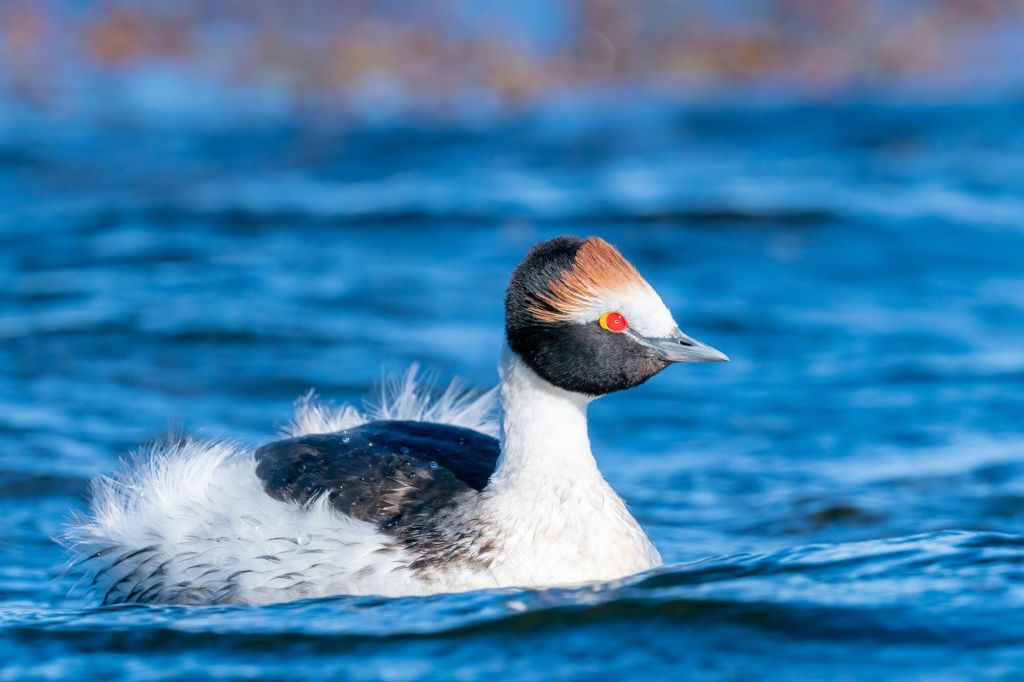
Hooded Grebe
Podiceps gallardoi · Santa Cruz plateau
One of the rarest grebes on Earth, nesting on remote basalt-plateau lakes. Low-angle work from the shore, with patience and wind. See the program ↓
Nov–Mar · 6–8 days
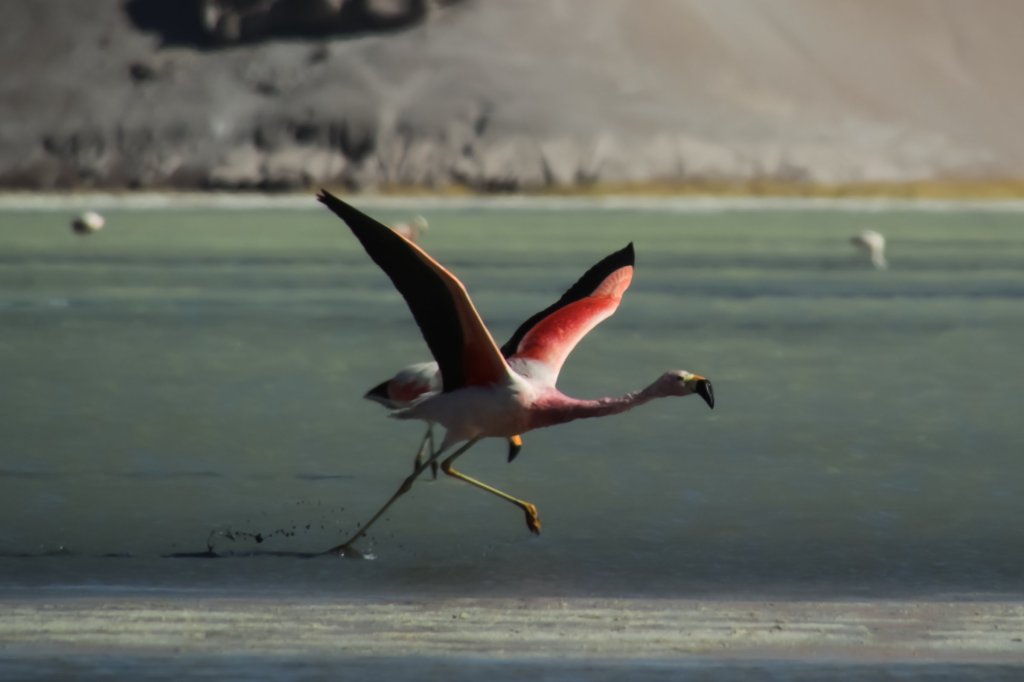
High Andes Specialties
Phegornis mitchellii · central Andes & Puna
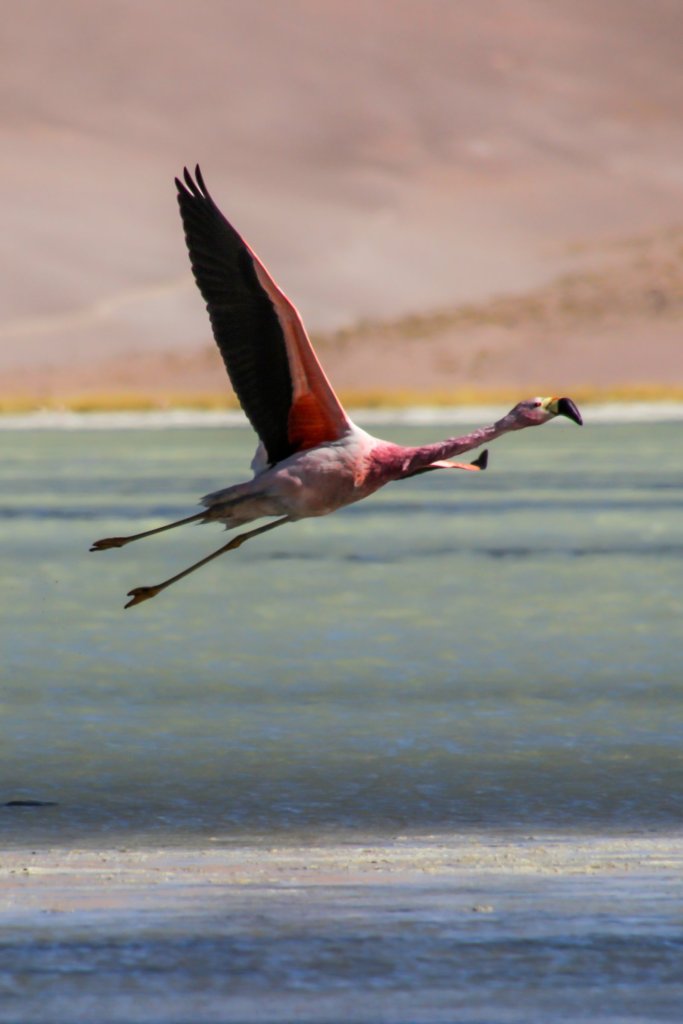
Diademed sandpiper-plover in high-altitude bogs, horned and giant coots, and three flamingo species on the altiplano lakes. Ask about this program →
Oct–Mar · 7–8 days
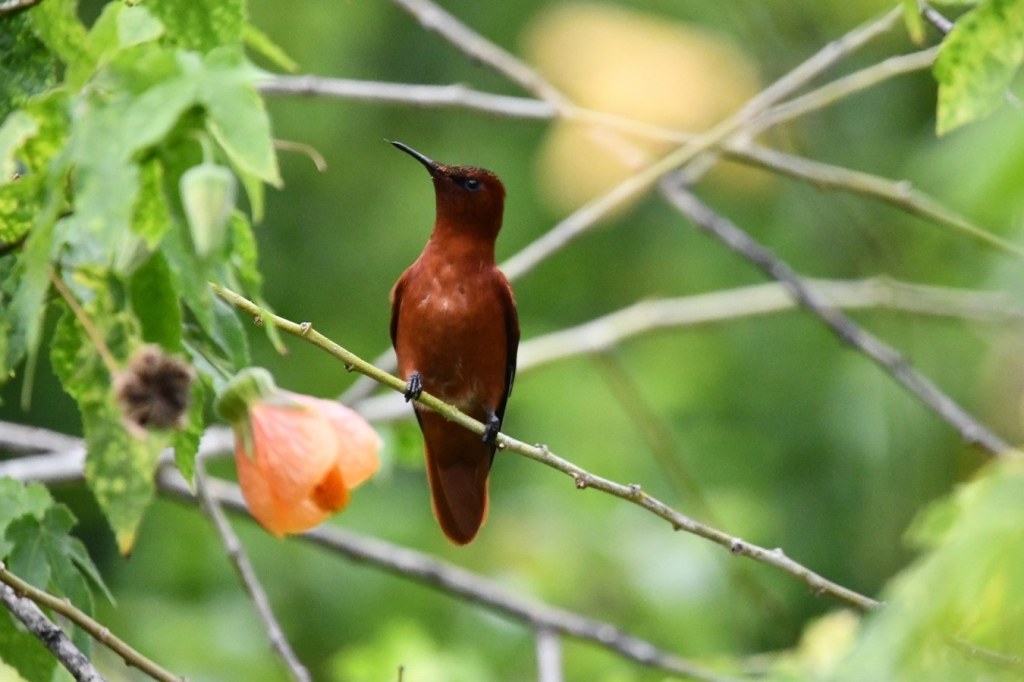
Juan Fernández Endemics
Sephanoides fernandensis · Pacific islands
A critically endangered hummingbird, an endemic tit-tyrant and breeding seabirds, on an archipelago very few birding groups reach. See the program ↓
Oct–Dec · 5–6 days
Iberá Grasslands
Alectrurus risora · Iberá wetlands
Strange-tailed tyrant, saffron-cowled blackbird and the seedeaters of the northern grasslands, with marsh deer and caimans in the same frame. Ask about this program →
Apr–Sep · 5–6 days
Yungas Cloud Forest
Amazona tucumana · northern Yungas
Tucumán amazon, dusky-legged guan and toco toucan in the montane cloud forest of the northwest. Ask about this program →
Year-round · 5–7 days
Patagonian Forest & Steppe
Campephilus magellanicus · Andean forest
Magellanic woodpecker, austral parakeet and rufous-legged owl in the forest; lesser rhea and tawny-throated dotterel out on the steppe. Ask about this program →
Add-on: one-day pelagic trips for albatrosses, petrels and shearwaters, on the Pacific and Atlantic coasts.
Two birds at risk
Two birds on the edge
Two of the rarest birds in South America live in the territory we work. Both can be photographed with the right season, the right access and the patience to keep a respectful distance.
Critically Endangered
Dec–Mar
5–6 days
Max 4 pax
Hooded Grebe · Macá Tobiano
Podiceps gallardoi · Santa Cruz plateau
Described to science only in 1974, the hooded grebe breeds on a handful of basalt-plateau lakes in Santa Cruz and winters on the Atlantic estuaries. Fewer than a thousand remain. In summer the pairs perform one of the most elaborate courtship displays of any grebe, out on open water.
Long, low-angle sessions from the shore, with wind and cold as part of the job. We work at a distance that does not disturb the colonies and never approach active nests. Also on the plateau: Magellanic plover and Chilean flamingo.
Critically Endangered
Oct–Mar
7–8 days
Max 4 pax
Juan Fernández Firecrown
Sephanoides fernandensis · Pacific islands
A hummingbird found only on Robinson Crusoe Island, some 670 km off the Pacific coast, alongside an endemic tit-tyrant, breeding seabirds and fur seals. Light aircraft, weather permitting, with buffer days built in.
Crhistian Austin worked on the archipelago’s biodiversity conservation project from 2009 to 2011.
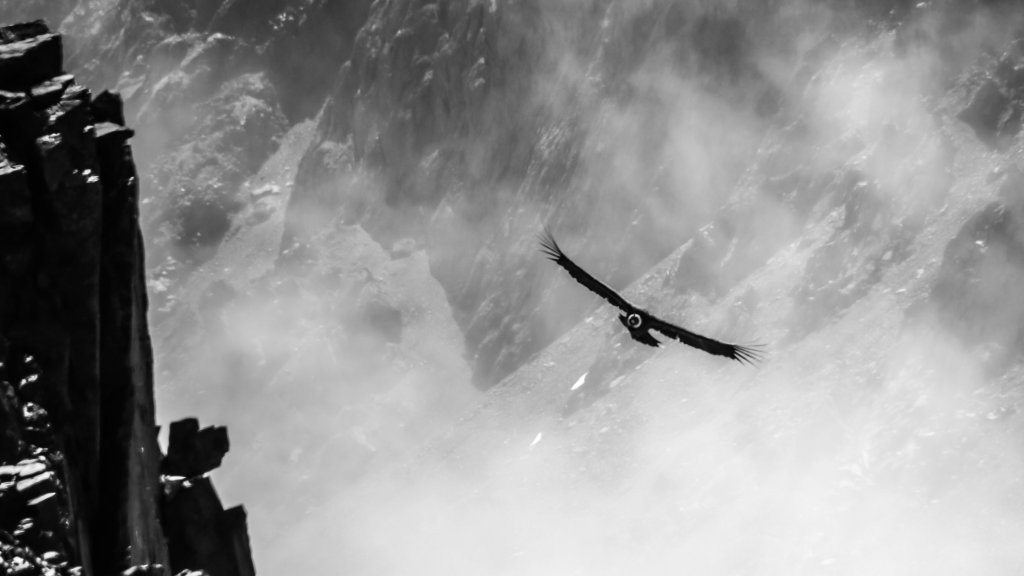
From the field
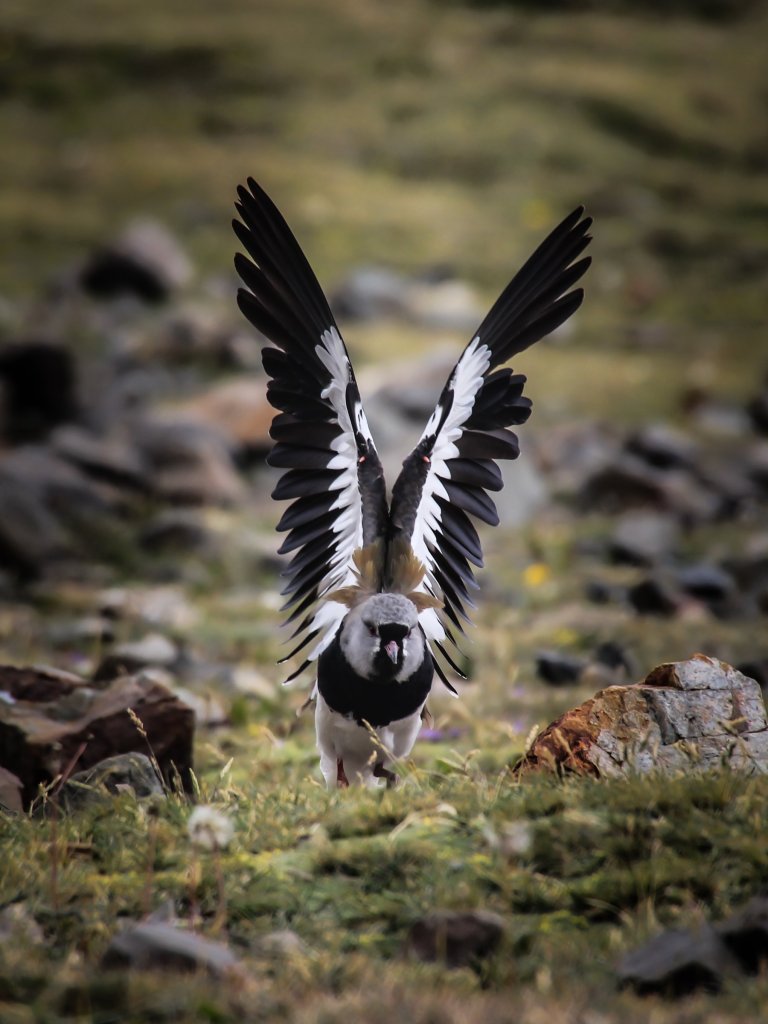
Photographed by our guide
Leandro Ignacio Luna, our photo guide, works the high Andes on foot, often above 4,000 metres. These are his.
How we work
Paced by the birds
Groups of up to six, and four for the species at risk. A bird guide who knows the local specialties works alongside our photo guide, so you get the bird and the light.
We plan each day around the target species, not a checklist count. Listers and photographers are both welcome; tell us which you are and we set the pace accordingly.
Hides, scopes and low-angle positions where the species allows it, and distance where it does not. Nest sites are never disturbed for a photograph.
Birds
Send us your target list.
Tell us the species you are after and the months you can travel. We reply personally with a plan, dates and price.

